
ISO 27001:2022
• firstcolo’s Frankfurt data centers are ISO/IEC 27001:2022 certified
• Continuous compliance and further development of the information security management system along the entire value chain

• firstcolo’s Frankfurt data centers are ISO/IEC 27001:2022 certified
• Continuous compliance and further development of the information security management system along the entire value chain
The German internet economy remains a central growth driver and is expected to increase its revenue to an estimated €389 billion by 2030. This development is primarily driven by cloud services and artificial intelligence.
The German data center market is growing dynamically. The new Bitkom study shows: colocation capacity exceeds 50% for the first time, and artificial intelligence will become a key market factor by 2030.
Today, data centers are far more than mere data processors – they act as central partners in the energy transition. How digital infrastructure actively shapes and stabilizes the energy grid of the future.
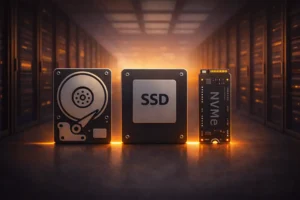
From architecture to hardware: The right storage strategy combines performance, capacity, and flexibility through the use of HDD, SSD, and NVMe.
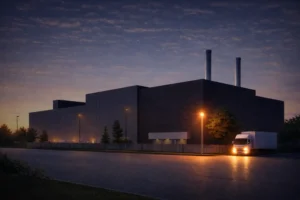
The new report highlights the developments, challenges, and future viability of data center infrastructure in Germany.

Refurbished instead of e-waste: firstcolo is launching a partnership with AfB social & green IT to refurbish used hardware and channel it into reuse or proper recycling.

Family-friendliness as part of our corporate culture: With its membership in the “Erfolgsfaktor Familie” network, firstcolo underscores its commitment to a better reconciliation of work and family life.
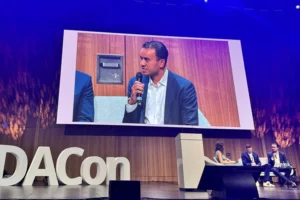
In the “Sustainability & Green Data Centers” category, firstcolo prevails with its blueprint project FRA7, a sustainable, AI-ready data center being built in Rosbach vor der Höhe.
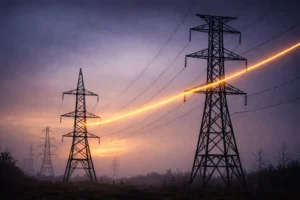
A new EMBER report, “Grids for data centres”, shows why ambitious grid planning is now becoming a competitive advantage for locations.

Power grids have long been overloaded: the gap between the rising energy demand caused by digitalization and Germany’s sluggish grid expansion continues to widen.
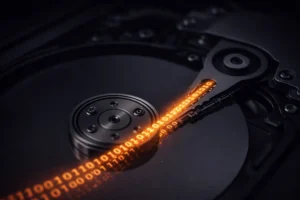
Even though access to storage resources is often virtual and dynamic, all solutions are based on a concrete hardware setup. This differs depending on the storage architecture concept.