Container orchestration is booming
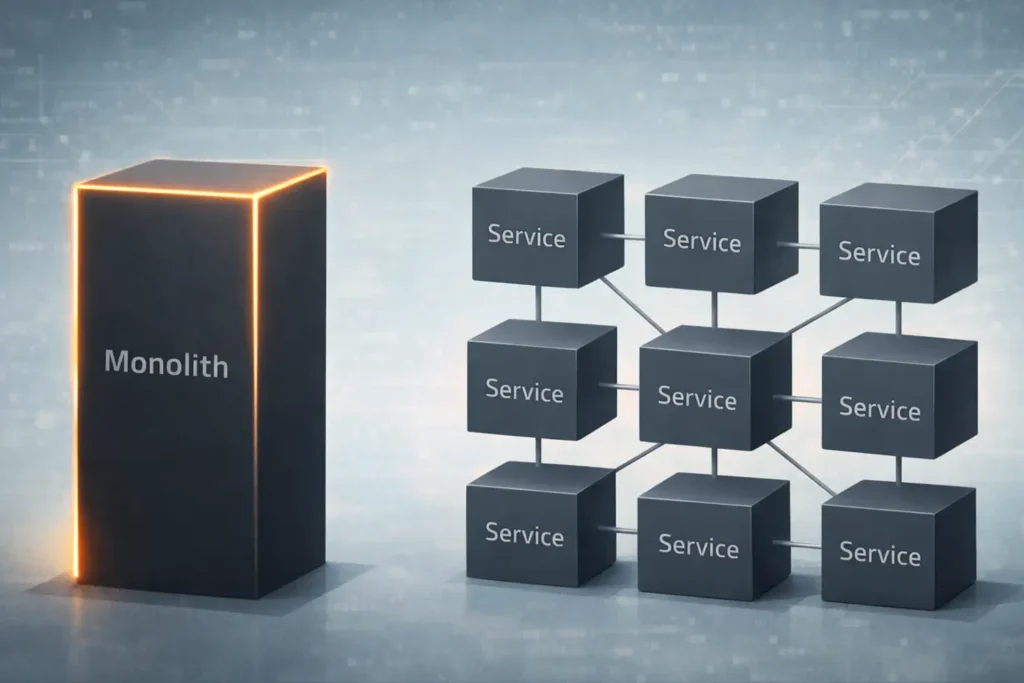
Frankfurt/Main, September 19, 2023 – Companies around the world are now using a wide range of microservices for their IT infrastructure, as more and more processes are based on these complex applications—often across different clusters or hosts. To maintain oversight of such complex IT constructs, microservices can be consolidated into so-called containers, which then provide a structured setup.
“Container orchestration is one of the fastest-growing trends in the IT industry,” says Jerome Evans, Founder and CEO of firstcolo GmbH. This is also shown by an analysis from Gartner: the market research firm predicts that by 2024, around 75 percent of large enterprises will use container orchestration—and the trend is still rising.
Kubernetes can be user-friendly, too
Kubernetes is now considered the most widely used container solution and has become indispensable for many organizations. “Many business owners are following the ongoing containerization of the IT layer by the major providers, but they also want simple implementation,” says Evans. However, a representative survey by the market research institute CCS found that around 56 percent of respondents prefer full container integration via a third-party provider or a mix of external and internal expertise due to the complexity of a container architecture.
Cloud service providers such as firstcolo have recognized this and therefore focus on user-friendliness for end users. They offer solutions that simplify working with Kubernetes via open-source systems, such as the open-source Kubernetes solution firstkube. Users no longer need extensive know-how to manage containers. “This is made possible by a user-friendly interface and expert advice from a specialist,” explains Evans.
Making container use secure
Security vulnerabilities can be costly for corporate IT—an issue that cannot be ignored in view of rising cybercrime. “The quality of a container implementation determines stability and security: from authentication configuration through to avoiding highly vulnerable applications that pose a security risk on the cluster,” explains Evans. In particular, the common use of containers in hybrid cloud environments presents major challenges for the security concept.
At this point, containerization with the help of open-source programs provides a remedy. “With Kubernetes, applications can be accessed in parallel across multiple clouds, which in turn enables vendor-independent work. In the event of outages, resources and traffic are retained: they are simply taken over by the next cloud,” says the expert. This abstract structure therefore makes it possible to build a secure cloud environment. Software such as firstkube enables any user to operate it easily—whether with or without extensive prior knowledge.
What is a container solution?
Containers are software packages that include all elements required to run in any environment. Containers therefore virtualize the operating system. They can run anywhere—whether in a private data center, in the public cloud, or on a developer’s private laptop.
What are containers and Kubernetes?
Kubernetes (also known as K8s or “kube”) is an open-source container orchestration platform that can automate many manual processes related to the deployment, management, and scaling of containerized applications.
What is the advantage of Kubernetes?
Using Kubernetes helps companies implement their DevOps initiatives—i.e., collaboration between software development (Dev) and IT operations (Ops). In the past, inconsistent integration and deployment mechanisms often created potential for conflict between developers and IT operations.